

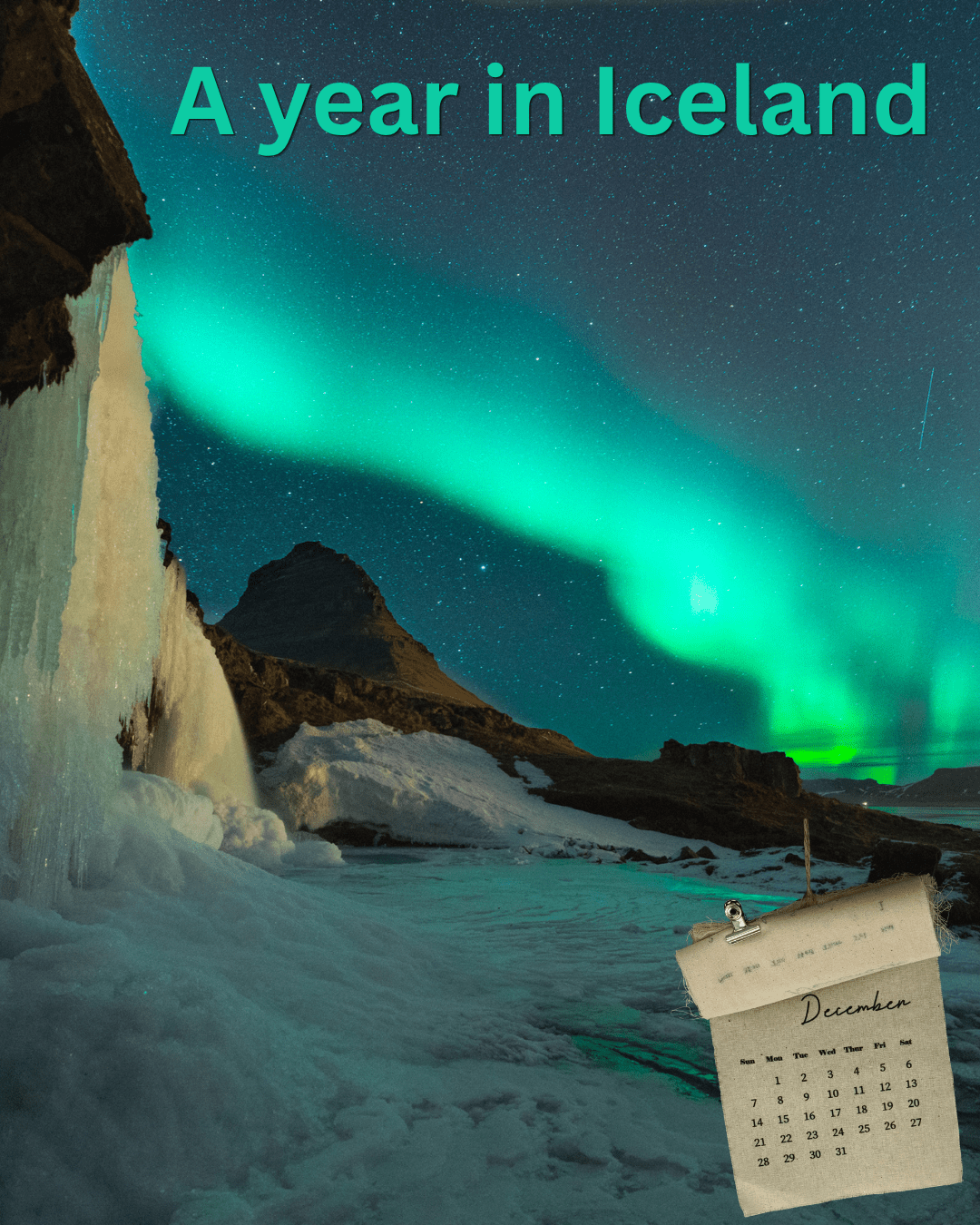
Explore the Magic of a Year in Iceland
Experience world-class arts, extraordinary landscapes, and culinary experiences at any point of the year in the Land of Fire and Ice

January invites travellers into Iceland’s past with Þorrablót, a mid-winter festival to honour Viking heritage during the old Norse month of Þorri. Locals gather in community halls to share feasts, stories, poetry, music, and share the camaraderie. It’s a cultural deep dive that takes travellers to the heart of what makes Iceland so special – its people. While Þorrablót is steeped in tradition, it has also evolved to reflect modern tastes and preferences, with many festivals offering alternative dishes as well as the traditional.
February’s Reykjavík Food & Fun brings top international chefs to collaborate with Iceland’s leading restaurants, creating one-off menus inspired by local seafood, lamb, herbs, and Nordic flavours. Between tasting menus, visitors can explore the city’s bars, cafes, and waterfront, discovering Reykjavík on foot.
For those seeking a peaceful escape in Iceland’s stark beauty, February is also the perfect time for cross-country skiing in North Iceland. The towns of Akureyri, Húsavík, and Siglufjörður all feature well-maintained trails, with local ski resorts such as Hlíðarfjall offering ski rental, classes, and guides. Smaller guesthouses such as Sigló Hotel combine a cosy stay with easy trail access and skiing courses.
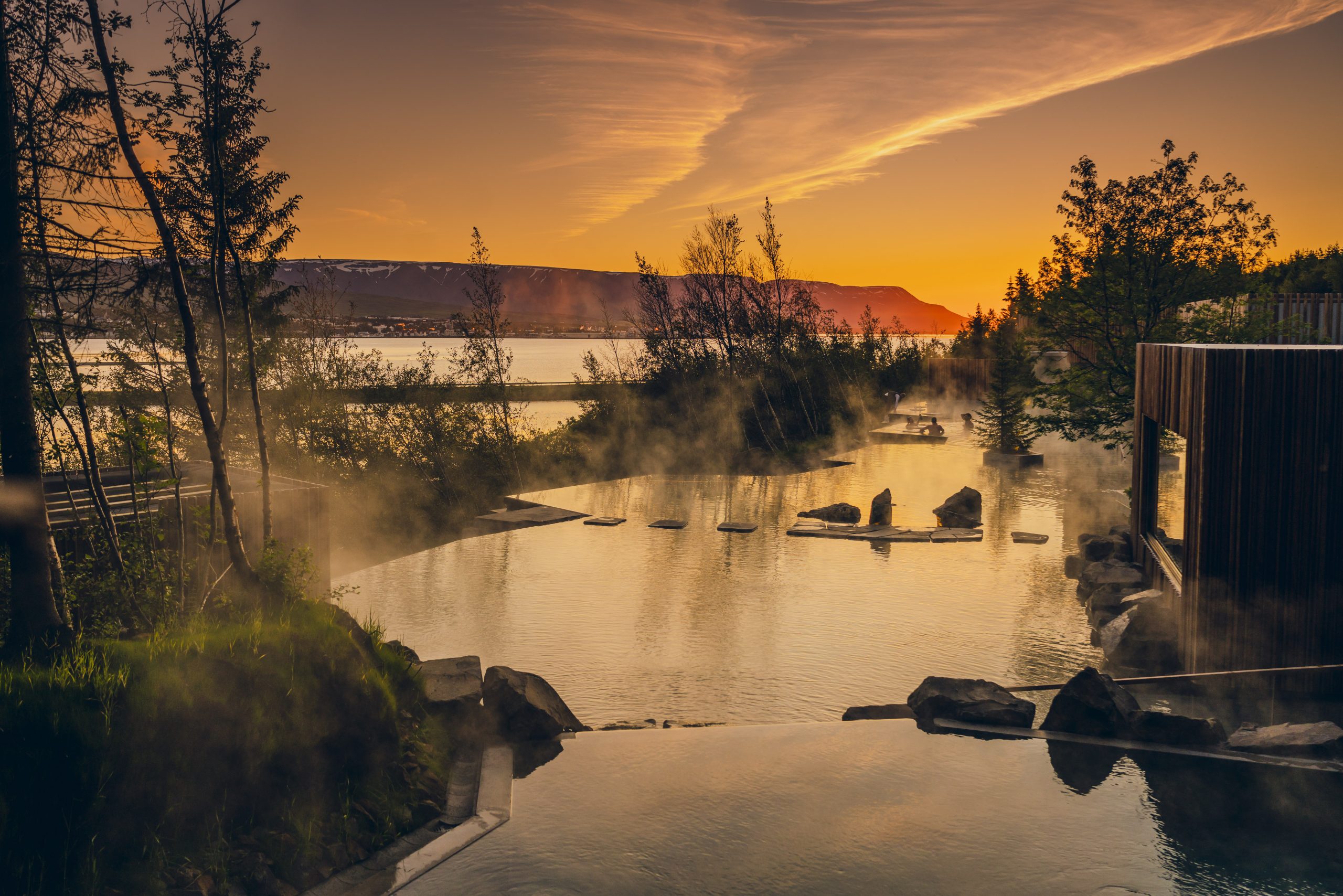
March is a wonderful time to experience North Iceland’s bathing culture, where geothermal pools sit against dramatic winter landscapes. Visitors can soak in places like GeoSea in Húsavík or the Forest Lagoon near Akureyri, often with the chance to see the Northern Lights on clear evenings. With longer days returning but winter still in the air, the region offers a perfect balance of adventure and relaxation.
Experiencing the Snæfellsnes Peninsula in April offers a quieter, atmospheric glimpse of Iceland as winter fades into spring, with fewer crowds and ever-changing scenery. Travellers can drive the scenic loop to take in iconic sights such as Kirkjufell’s snow-dusted peak, often reflected in waterfalls, and explore black sand beaches and rugged cliffs. Longer days offer a greater chance to take in the views, while still providing a chance to see the late-season northern lights.
May’s lengthening days and cultural buzz make it an inspiring time to visit Reykjavík, with DesignMarch (6-10 May) and the Reykjavík A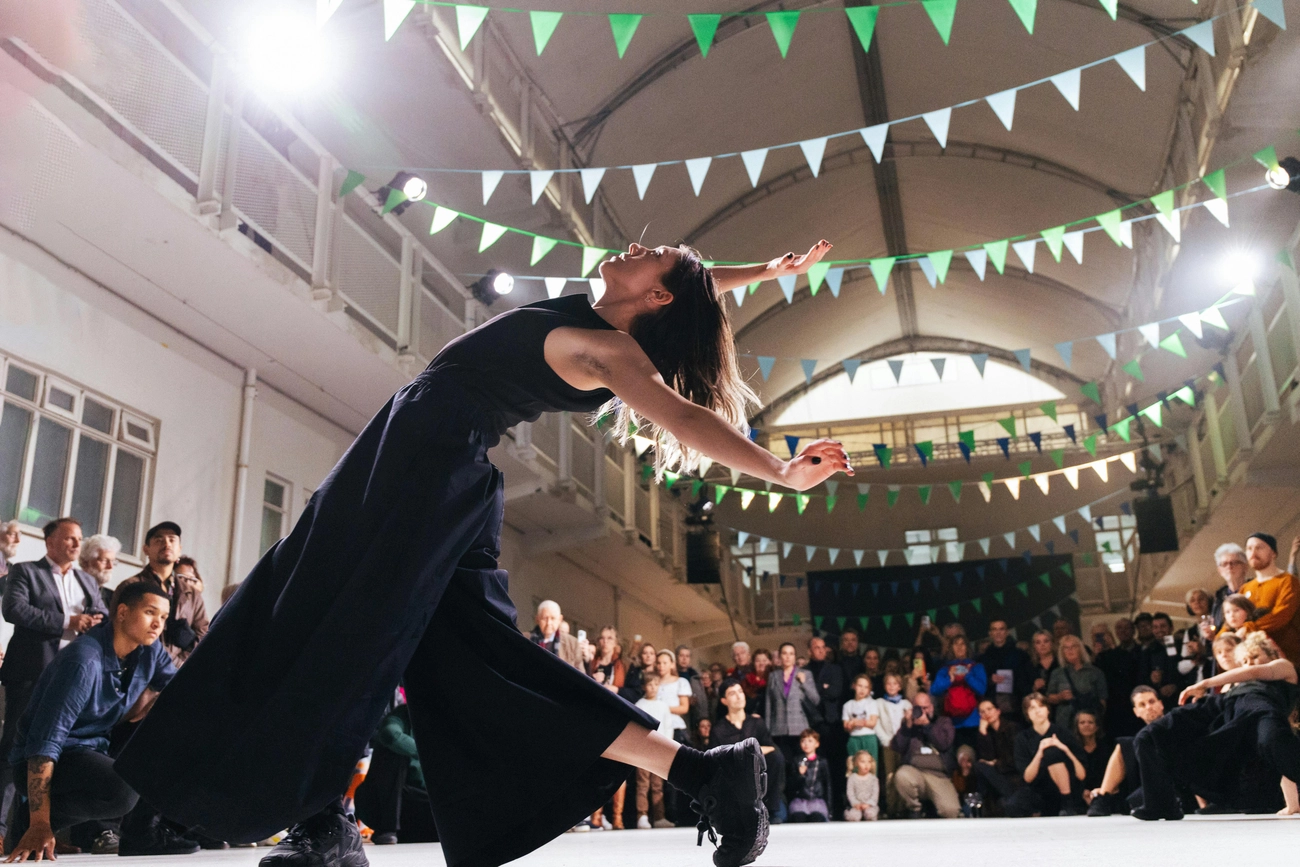 rts Festival (30 May-14 June). The Reykjavík Arts Festival is a biennial multidisciplinary festival with a particular focus on new commissions and the creative intersection of the arts; this year’s festival notably features ‘Echolalia’, an immersive installation built around material from a forthcoming new Björk album.
From fashion to furniture, architecture to food design, DesignMarch presents the best of the local design scene alongside exciting international names. This year’s is themed on the need for connection in a world characterised by both disconnect and hyperconnectivity, and features talks with Stefan Sagmeister and Hjalti Karlsson, with more to be announced.
Every year on the first Sunday in June, Iceland honours its maritime heritage with Fishermen’s Day, celebrated nationwide. For centuries, the ocean and fishing were Iceland’s lifeline, in the survival of Icelanders themselves and as its biggest industrial and export sector. The tradition of honouring fishermen with a parade started in 1938 in Reykjavík and Ísafjörður. Today, many towns celebrate Fisherman’s Day with a festival that often stretches over the entire weekend, featuring sea swimming competitions, rowing races, and free food in the harbour. In the east, towns like Neskaupsstaður host festivities with music, family activities, and harbourside events – a joyful way to connect with coastal culture under Iceland’s famed midnight sun.
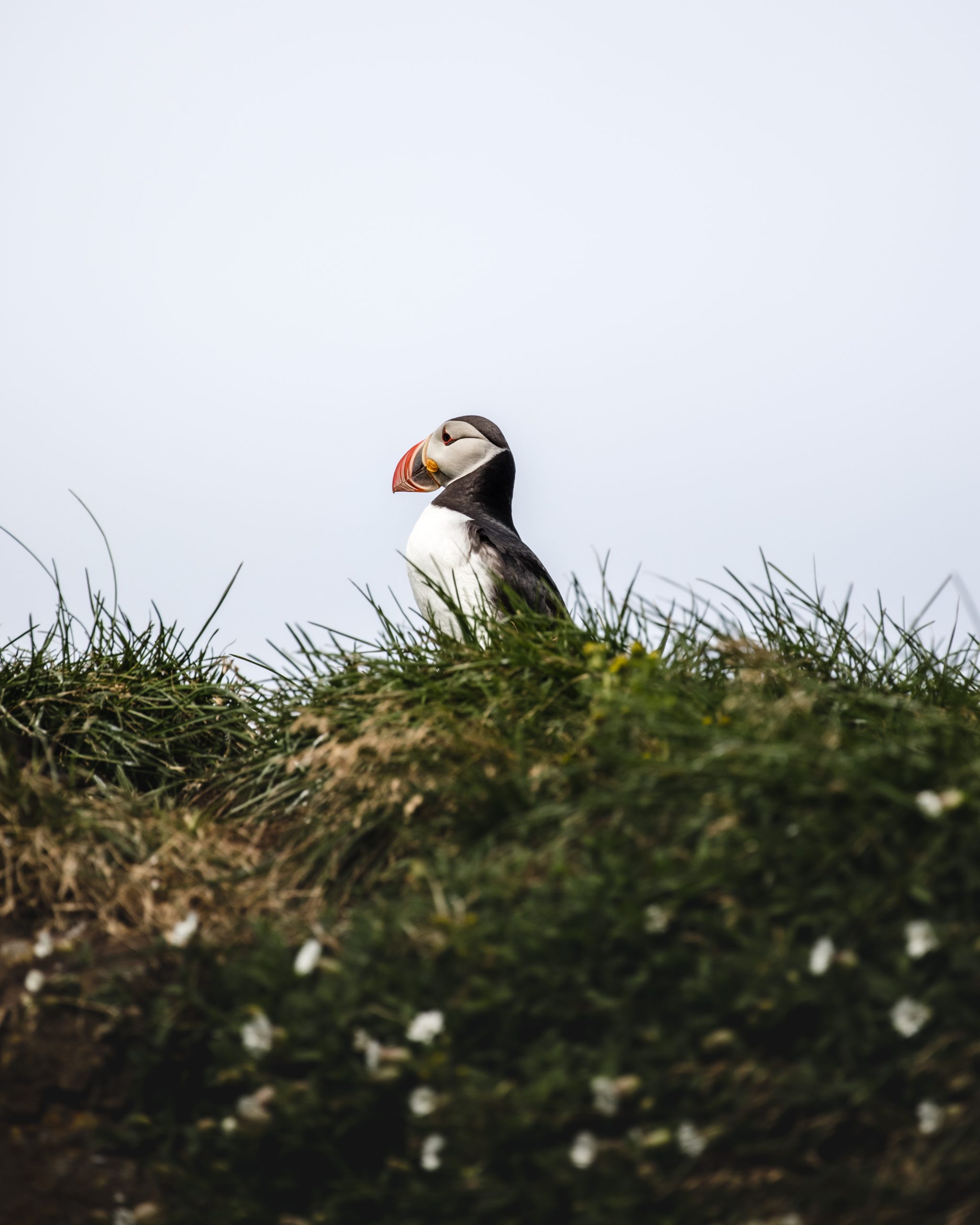
As summer continues, puffins settle in Iceland to breed, forming the world’s largest Atlantic puffin colony (60-80% of the global population) along coastal cliffs. Coastal walks and tours offer chances to spot this iconic seabird. Arctic Adventures offers a range of puffin-watching experiences during puffin season (May–August), from boat or jet-ski trips from Reykjavík to see puffins up close with a guide and binoculars to longer combined excursions that pair puffin watching with classic Golden Circle sightseeing.
July brings calm and quiet beauty to the Westfjords’ dramatic landscapes and hot springs, especially for those seeking slow travel and an off-the-beaten-path experience. The isolated Hornstrandir Nature Reserve is a must-do in the Westfjords – accessible only by boat, with towering mountains brimming with bird life, and the only place the arctic fox can thrive without the threat of hunters. Nordic Visitor offers tours from Reykjavik to these remote fjordlands, and all the way up to the spectacular Snæfellsnes Peninsula. With both group tours and self-driven options, these multi-day trips reveal many of Iceland’s best-kept secrets (prices start at £1506pp for 7 days self-driven, £2403pp for 8 days guided).
August 12th 2026 brings a rare total solar eclipse to Iceland, with some areas such as the Snæfellsnes Peninsula experiencing a totality of close to two minutes. It’s not the only activity in August, however, as back in the capital, one of Iceland’s most joyful and colourful gatherings takes place – Reykjavík Pride (4-9 August), where locals and visitors take over the city for a week of parades, concerts, art, and community events – the perfect demonstration of Iceland’s progressive values and sense of community.
Summertime also offers wild berry picking – a favourite national pastime – at its peak, with hillsides dotted with blueberries and crowberries. Driving through Iceland at this time, you’ll often see cars parked up next to a field of berries, and you’ll know you’re in with an Icelander if they tell you their favourite berry-picking spot. Combined with hiking and peaceful fjord views, it’s a quintessential Icelandic experience.
September is réttir season, when farmers gather sheep for the winter after they have grazed in the Icelandic countryside all summer. Visitors can witness and participate in this centuries-old practice, beginning with a göngur, during which search parties ride horses and quad-bikes into the highlands to find roaming sheep. The réttir concludes with the Réttarball, a lively party not to be missed. Núpshestar offers a four-day sheep roundup horse-riding experience in South Iceland, where tourists join local riders and farmers to help gather sheep with guesthouse accommodation and meals, from £1,778pp, but many rural homestays and farms offer a chance to get involved just for a day.
October brings vibrant autumn colours to East Iceland, when moss fields, mountains and valleys glow with shades of red, gold and orange. It is also one of the best times to spot Iceland’s wild reindeer herds roaming the highlands and fjords of the east. With fewer visitors and dramatic seasonal light, the region offers a peaceful and authentic way to experience Iceland’s wilderness with unique stays at Blábjörg Resort or the Reindeer Park guesthouse.
November festivals lean into Iceland’s creative soul with Iceland Noir (2026 dates TBC), a four-day festival celebrating Nordic Noir – an entire genre of dark fiction, inspired by Iceland’s unique and otherworldly landscapes, that draws crime writers and readers to Reykjavík. Past top-tier guests include George R. R. Martin (Game of Thrones) and Hwang Dong-hyuk (Squid Game). By night, Iceland Airwaves (4-7 November) fills the city with immersive, multi-genred music with local and global artists taking over intimate venues. This festival showcases acts ranging from established international talent to Iceland’s own rich melting pot of rising stars, with the 2025 festival featuring Joey Valence & Brae, Retro Stefson, and Saya Gray.
December’s festive season transforms Iceland into a winter wonderland of markets, lights, and holiday traditions, including the mischievous Yule Lads, who roam the country throughout the month. One of the most atmospheric places to experience the tradition is Dimmuborgir near Lake Mývatn, where the Yule Lads traditionally live and appear at special December events, markets, and family activities. In Reykjavík, you’ll find Yule Lad decorations, statues, and occasional meet-and-greets at Christmas markets and shopping areas. Even without events, the tradition lives on through displays and the custom of placing a shoe in the window each night for small gifts.
Visit Iceland www.visiticeland.com
YouTube – www.youtube.com/user/inspiredbyiceland
Facebook – www.facebook.com/inspiredbyiceland
Twitter – @Iceland
Instagram – @Inspiredbyiceland
