Introduction to Air Rage Travelling by air can be an exhilarating experience filled with anticipation. However, it
 Introduction to Air Rage
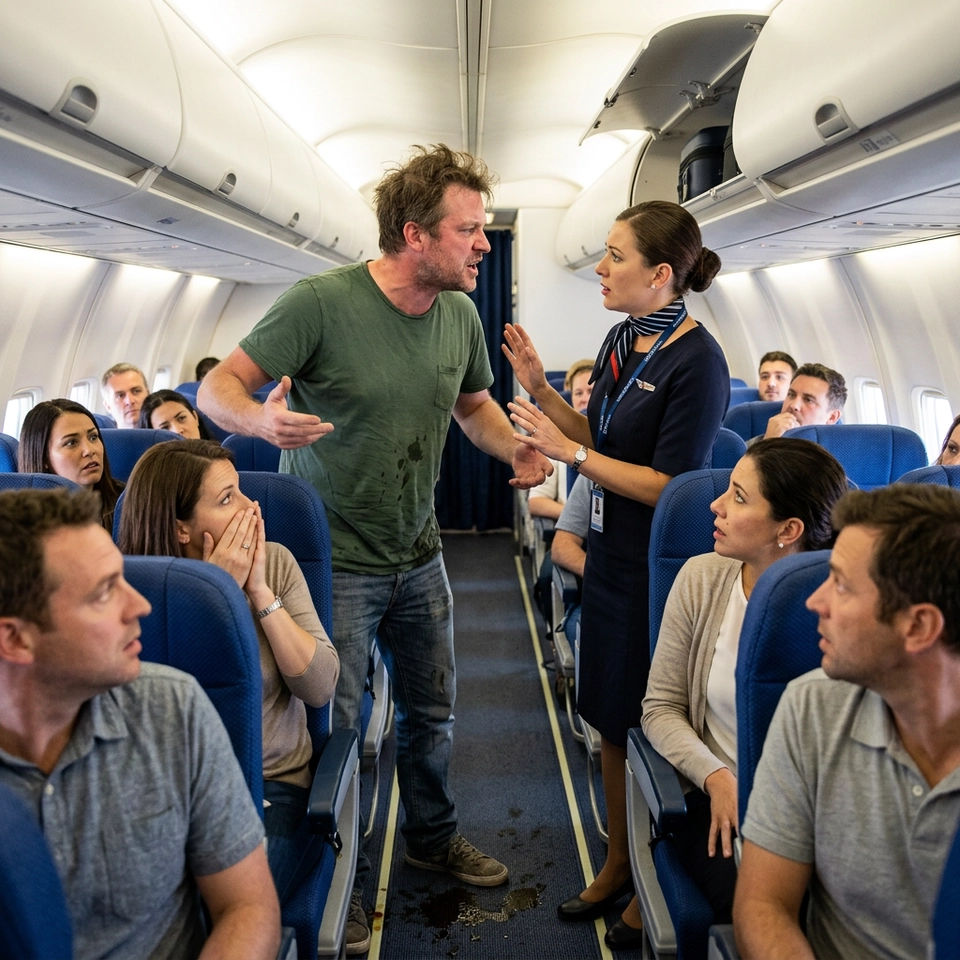
Travelling by air can be an exhilarating experience filled with anticipation. However, it can also bring about significant stress and anxiety, which sometimes leads to a phenomenon known as air rage. This article delves into the complexities of air rage, exploring its causes, consequences, and offering practical tips to ensure a calm and enjoyable flying experience.
Definition of Air Rage
Air rage is defined as aggressive or violent behaviour exhibited by passengers aboard an aircraft. This term encompasses a range of actions, from verbal outbursts to physical altercations. While not a formally recognised psychiatric condition, the term illustrates the impact of stressors associated with air travel on individuals’ behaviour. Understanding air rage is crucial for airlines, cabin crew, and fellow passengers to effectively manage and mitigate such incidents.
Overview of the Issue
Air rage incidents have been on the rise over the past few decades, coinciding with an increase in air travel. Factors such as cramped seating, long security lines, and the stresses of modern life contribute to heightened passenger tensions. According to reports, thousands of incidents are recorded each year, underscoring the need for awareness and strategies to prevent and address them. Recognising the signs and underlying causes of air rage can significantly enhance the flying experience for all involved.
Causes of Air Rage
Environmental Factors
The environment of an aircraft can significantly contribute to feelings of anxiety and frustration among passengers. Limited personal space, long wait times, and delays can create a pressure cooker effect. The confined space of an aeroplane cabin makes it difficult for individuals to cope with their discomfort. Additionally, noise, fluctuating air pressure, and a lack of fresh air can exacerbate feelings of irritation. When combined with long travel durations, these factors can create an environment ripe for air rage.
Personal Stressors
Beyond the immediate environment, personal stressors play a critical role in how passengers react during flights. Many travellers are dealing with issues such as work-related stress, family matters, or health concerns, which can amplify their frustrations. When combined with the stresses of travelling—packing, navigating airports, and adhering to strict schedules—it’s no wonder that some individuals may lash out. Emotional baggage can quickly translate into behaviour that disrupts the atmosphere on a flight.
Alcohol and Substance Use
Alcohol consumption is another significant contributor to air rage incidents. Many travellers indulge in drinks while waiting for their flights or during the flight itself, often underestimating the effects of alcohol at altitude. The combination of alcohol and a stressful environment can lead to impaired judgment and increased aggression. It is crucial for airlines to monitor alcohol service and encourage responsible drinking to minimise the likelihood of air rage occurring.
 Consequences of Air Rage
Impact on Passengers
The immediate impact of air rage on fellow passengers can be significant. An outburst can create a tense and uncomfortable environment, leading to distress among those who witness or are involved in the incident. Many passengers travel to enjoy a peaceful journey, and witnessing air rage can severely detract from their experience. Moreover, such incidents can instigate fear, prompting passengers to feel unsafe during their flight.
Flight Delays and Diversions
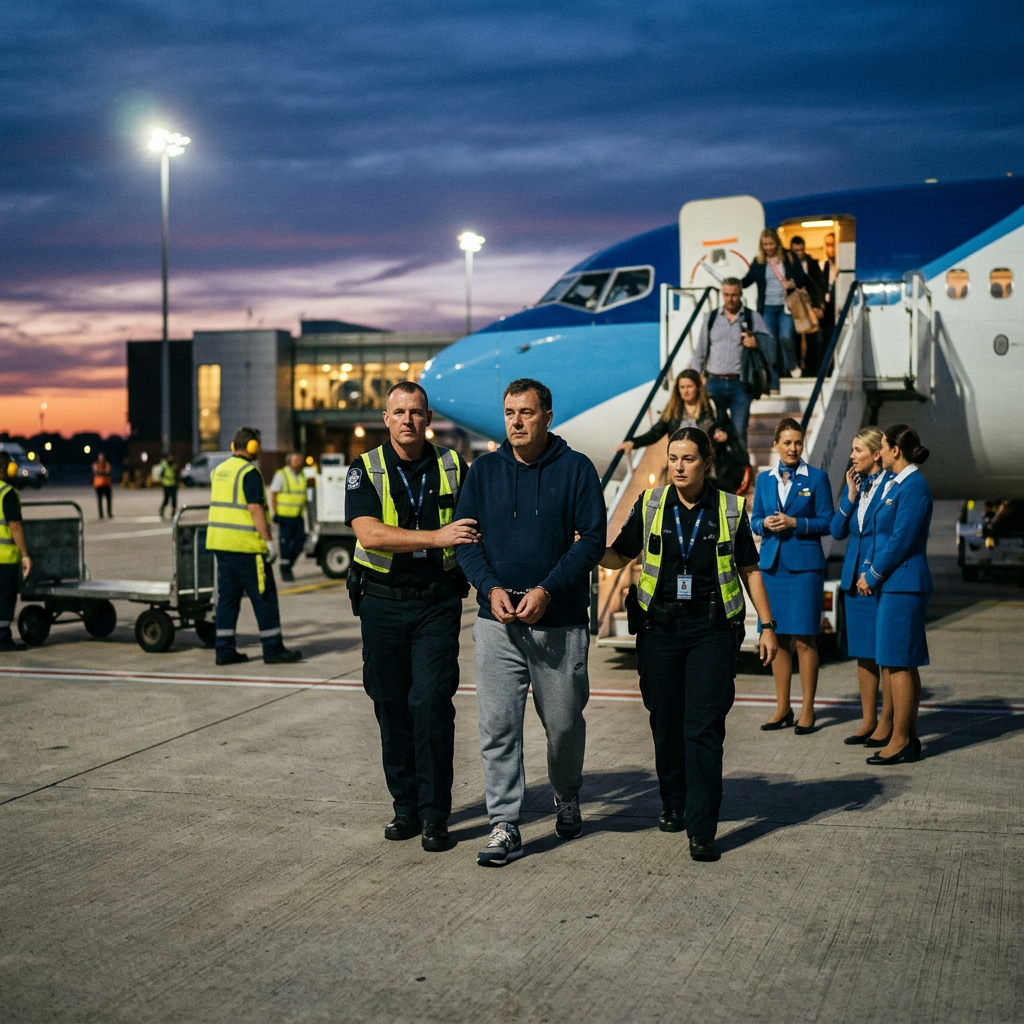
Air rage can also lead to operational disruptions. In severe cases, aggressive behaviour may necessitate intervention from cabin crew or even law enforcement, resulting in flight delays or diversions. This not only affects the individuals involved but also inconveniences all passengers on board the flight. Such incidents can trigger a chain reaction of delays, affecting subsequent flights and amplifying the ripple effect of one person’s actions across the airline’s operations.
Legal Ramifications
Legal consequences for individuals involved in air rage incidents can be severe. Passengers who exhibit violent behaviour may face criminal charges, fines, or even lifetime bans from airlines. Additionally, airlines have a vested interest in maintaining safety and decorum; thus, they may pursue legal action to recover costs associated with flight diversions or damages incurred during incidents. Understanding these potential repercussions can serve as a deterrent for would-be offenders.
How to Stay Calm on Your Next Flight
Preparation Before the Flight
Preparation is key to mitigating stress and potential air rage incidents. Begin by planning your travel itinerary well in advance, allowing ample time for check-in and security procedures. Familiarise yourself with airport layouts and boarding times to reduce last-minute rushes. Packing efficiently and having everything you need within easy reach can help minimise frustration during travel. It may also be beneficial to choose your seat wisely, opting for an aisle seat if you prefer more space or a window seat if you enjoy a view and a sense of privacy.
If you know you are prone to anxiety, consider practising relaxation techniques, such as deep breathing exercises or mindfulness meditation, before and during the flight. Arriving at the airport early can also provide a buffer against unforeseen delays, helping you maintain a sense of control.
During the Flight: Tips for Staying Calm
Once onboard, it’s essential to cultivate a calm mindset. Engaging in activities that you enjoy, such as reading, listening to music, or watching a movie, can distract you from any discomfort you may feel. Noise-cancelling headphones can significantly help minimise cabin noise, creating a peaceful auditory environment. Additionally, staying hydrated and eating light meals can help maintain your physical comfort and overall mood during the flight.
Should you encounter a difficult situation, such as a disruptive fellow passenger, it’s crucial to remain composed. Avoid escalating the situation by choosing not to engage aggressively. Instead, if necessary, discreetly inform a flight attendant who is trained to handle such issues. They can manage the situation professionally, allowing you to focus on your journey.
Dealing with Difficult Situations
Despite the best preparations, air rage incidents can still arise. In these situations, it’s important to remain calm and collected. Recognising that you cannot control others’ behaviour can help you shift your focus back to your own reaction. If confronted by a hostile passenger, try to disengage and not take their comments personally. Breathing exercises can be particularly useful in diffusing your own anxiety and maintaining a sense of control.
If you find yourself feeling overwhelmed, consider reaching out to the cabin crew for support. They are trained to handle conflicts and can provide assistance in managing the situation. The key is to prioritise your safety and well-being while allowing the professionals to intervene appropriately.
Conclusion
Air rage is a complex issue driven by various factors, including environmental stressors, personal challenges, and substance use. The consequences of such behaviour can be far-reaching, affecting passengers, operations, and legal standing. However, with effective preparation and coping strategies, travellers can minimise the risks of experiencing or witnessing air rage.
Encouragement for a Peaceful Travel Experience
By recognising the signs of air rage and employing strategies to remain calm, travellers can contribute to a more enjoyable flying environment for everyone. With a focus on preparation and self-awareness, it’s possible to navigate the challenges of air travel with grace and composure, ensuring that each trip is marked by tranquillity rather than turmoil.
FAQs
What are some common triggers of air rage?
Common triggers include cramped seating, long security lines, flight delays, personal stressors, and alcohol consumption. These elements can combine to create a heightened emotional state for many passengers.
What should I do if I encounter an aggressive passenger?
If you encounter an aggressive passenger, it’s best to avoid confrontation. Remain calm, and if necessary, discreetly notify a flight attendant for assistance. They are trained to handle such situations effectively.
Can air rage lead to legal consequences?
Yes, air rage can lead to severe legal ramifications, including criminal charges, fines, and bans from airlines. It is crucial to understand the potential consequences of aggressive behaviour while flying.
How can I prepare for a stressful flight?
Preparation includes planning your itinerary in advance, packing efficiently, and practising relaxation techniques. Arriving at the airport early can help alleviate stress and give you time to adjust to the travel environment.
Are there techniques to calm myself during a flight?
Techniques to calm yourself during a flight include deep breathing exercises, engaging in enjoyable activities like reading or listening to music, and using noise-cancelling headphones to reduce cabin noise.