

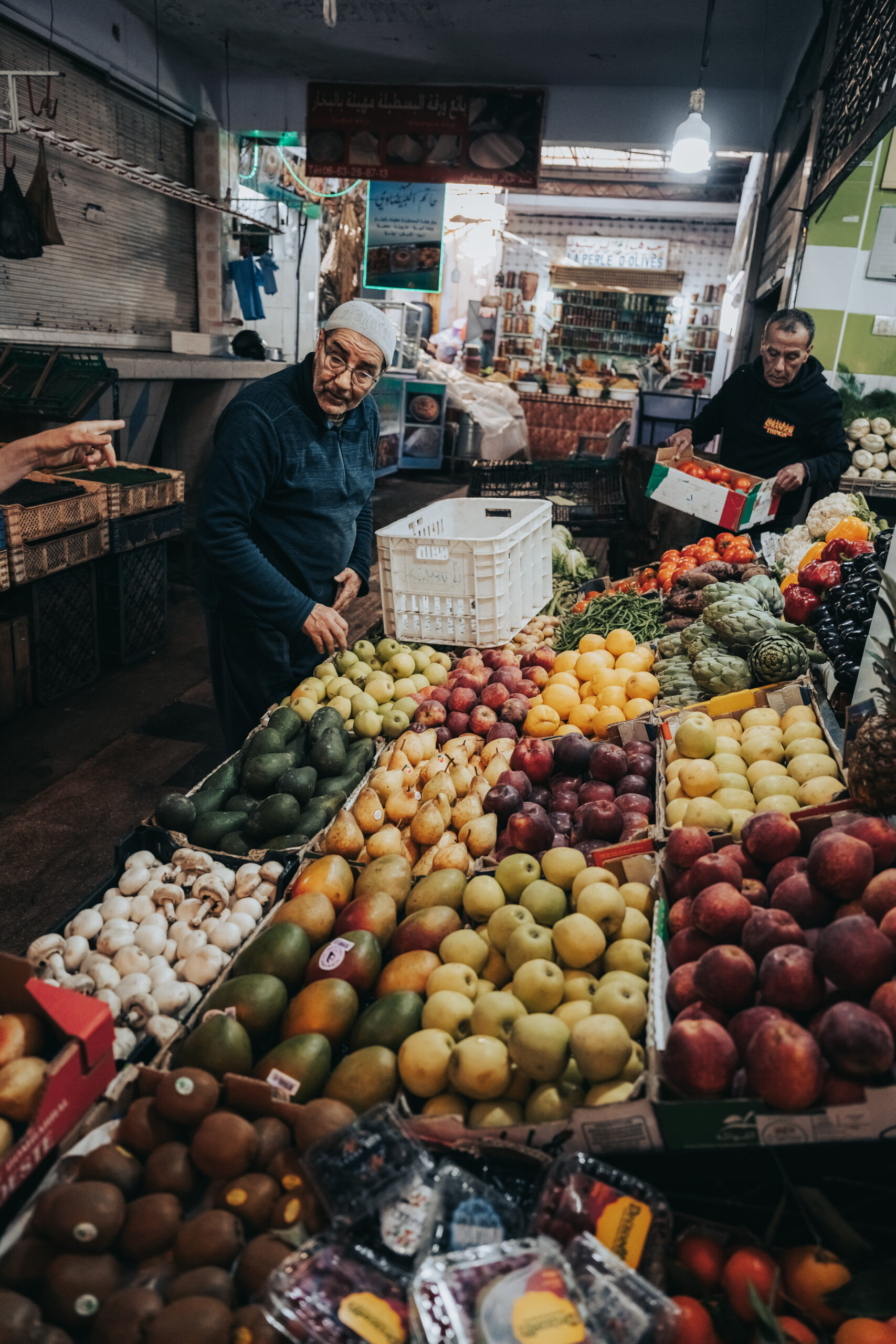
Moroccan local reveals the insider secrets to exploring souks authentically
Deep Street Journeys’ resident guide in Morocco, Amanda, shares her insights as a local for navigating Morocco’s souks, from the best time to visit to the art of haggling with good humour.
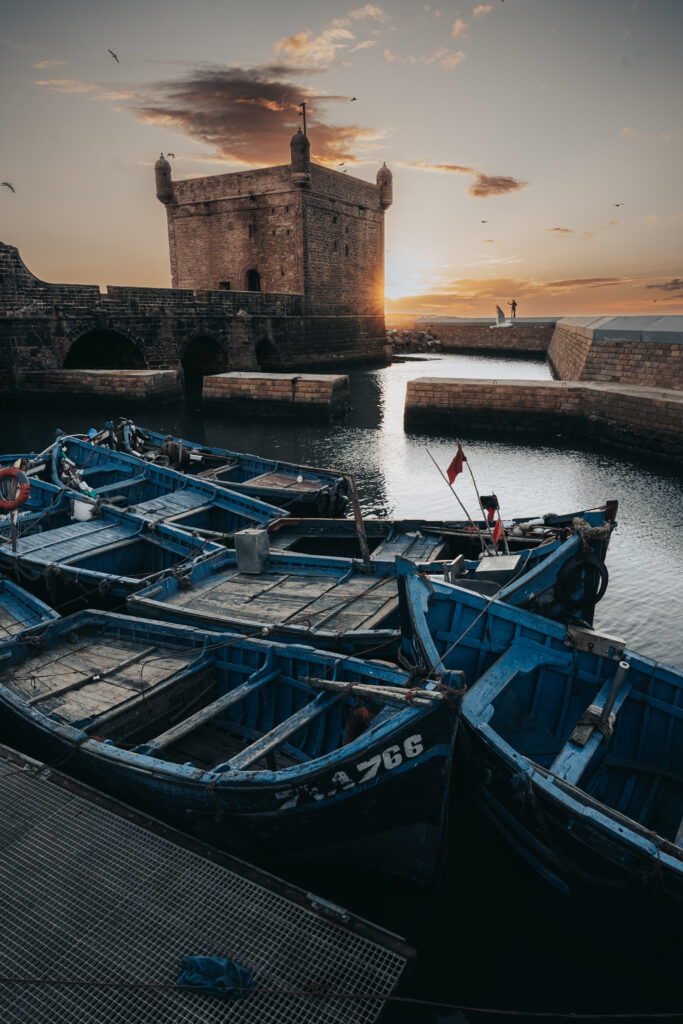 (Image: Deep Street Journeys)
Morocco welcomed nearly 9.4 million tourists in the first half of 2026, a 6% increase compared to the same period last year*. With interest in the destination growing, a local has shared their advice for getting the most from Morocco’s souks.
For many travellers, a visit to Morocco’s souks is a bucket-list experience, but the crowds, the bartering and the sensory overload can leave first-timers feeling a little overwhelmed. Deep Street Journeys, which offers intimate, chef-led culinary journeys through Morocco, has worked with its local guide to reveal insider secrets for exploring Morocco’s souks.
Amanda Belmamoun, a chef based in Morocco and the lead for Deep Street Journeys’ Morocco experience, has spent years immersed in the rhythms of local life. From the rural weekly markets tucked into the foothills of the Atlas Mountains to the labyrinthine city souks of Marrakech and Essaouira. Here, Amanda shares her insider knowledge on how to experience the souks the way Moroccans do.
Seek out the rural souks for a true taste of local life
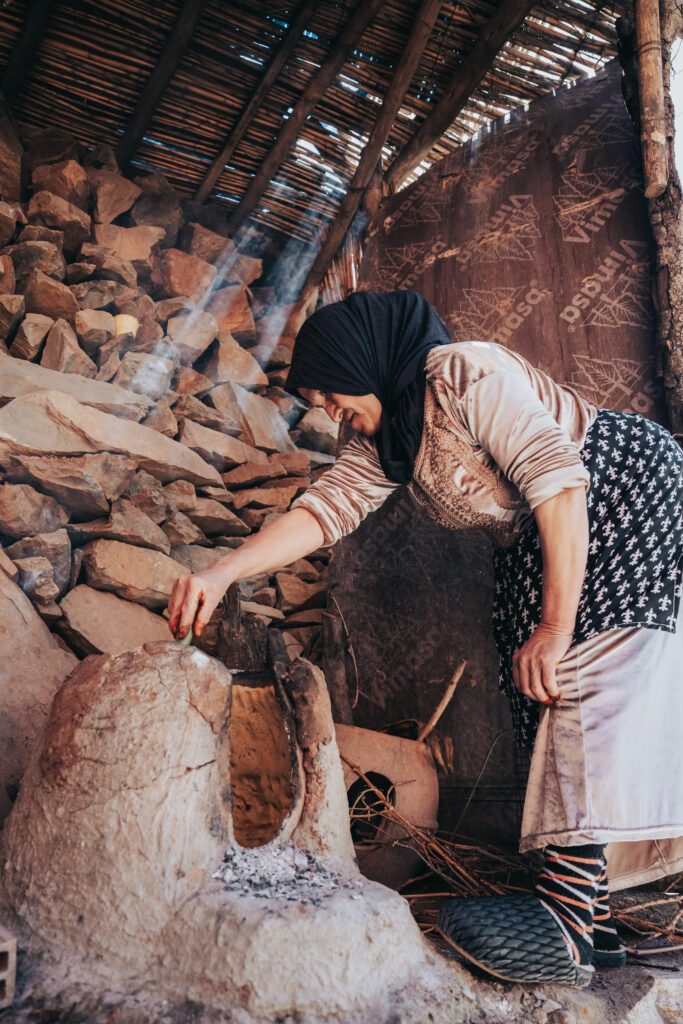
While the city souks of Marrakech and Essaouira have their own theatrical charm, with artisans at work amid the colour of dyed fabrics, handcrafted jewellery and leather goods, Amanda’s real recommendation is the rural weekly souks: “these souks aren’t just functional, they are the vibrant social heartbeat of the community,” she explains. Alongside fresh produce and livestock, visitors can witness the full texture of rural life, from neighbours catching up to locals visiting the travelling doctor or dentist.
Time it right: mornings, and September
According to Amanda, the best time to visit is early morning, when the markets are just opening. Early arrivals may even witness a shopkeeper’s baraka, their first sale of the day, considered a blessing for good fortune. As for the season, she points to September as a sweet spot, offering long, warm days without the intensity of the midsummer heat, while spring brings its own magic, particularly in the mountains and countryside, when the hillsides bloom with wildflowers.
Haggling is a dance, not a battle
One of the biggest misconceptions tourists bring with them, says Amanda, is that bartering is confrontational. In fact, it is simply part of everyday culture and friendly banter. Her advice is to treat it “like a warm, friendly dance rather than a battle” and to keep a smile on your face throughout. As a starting point for negotiations, she suggests offering around half the initial asking price, then meeting somewhere in the middle.
 The golden rule: look with your eyes, not your hands
To avoid feeling overwhelmed, Amanda recommends a simple principle: browse with your eyes rather than your hands. Picking up an item signals interest to a shopkeeper and can prompt a bartering exchange, so keeping your hands free lets visitors take in the atmosphere at their own pace.
Respect goes both ways
Amanda is clear that mutual respect underpins every positive interaction in the souks. A simple greeting of “Salam” (peace be with you) can open doors immediately, while dress decisions should be made with respect for yourself and local culture in mind. On photography, her advice is simple: always ask first. “Think of it through the lens of respect,” she says. “It turns an intrusion into a warm human connection.”
Politely declining pushy sellers
For travellers unsure how to navigate persistent sellers, Amanda suggests a simple, gracious approach: a polite “no thank you” with a smile, or a friendly “I’ll be back later, I’m heading somewhere right now” to excuse yourself without any awkwardness.
What to buy: let the food lead the way
From carpets to fridge magnets, the souks offer something for every traveller, but Amanda’s own recommendation is to focus on food. Spices, oils and local ingredients, she says, are the best souvenirs, offering a way to recreate the flavours of Morocco at home long after the trip has ended. For those wanting to eat and drink well on the go, she points to Marrakech’s fresh juice stalls, charcoal-grilled meats at rural markets, and freshly shucked oysters and grilled crab at Essaouira’s harbour.
The real secret to an authentic experience
Beyond the practical tips, Amanda’s overarching advice is simple: slow down and talk to people. Genuine conversation with artisans, shopkeepers and stallholders, she says, is what transforms a souk visit from a shopping trip into something far richer. “Everyone has a story to tell,” she says. “When you engage with curiosity rather than just as a shopper, the souks transform into a deeply rich, human experience.” And if you do lose your way in the alleyways, she adds, that is often half the magic; offline GPS apps can help, but so can simply asking a friendly local for directions.
Deep Street Journeys’ guided experiences give travellers the chance to explore Morocco’s souks with exactly this kind of local insight, blending authentic cultural immersion with the practical know-how to navigate markets confidently and respectfully.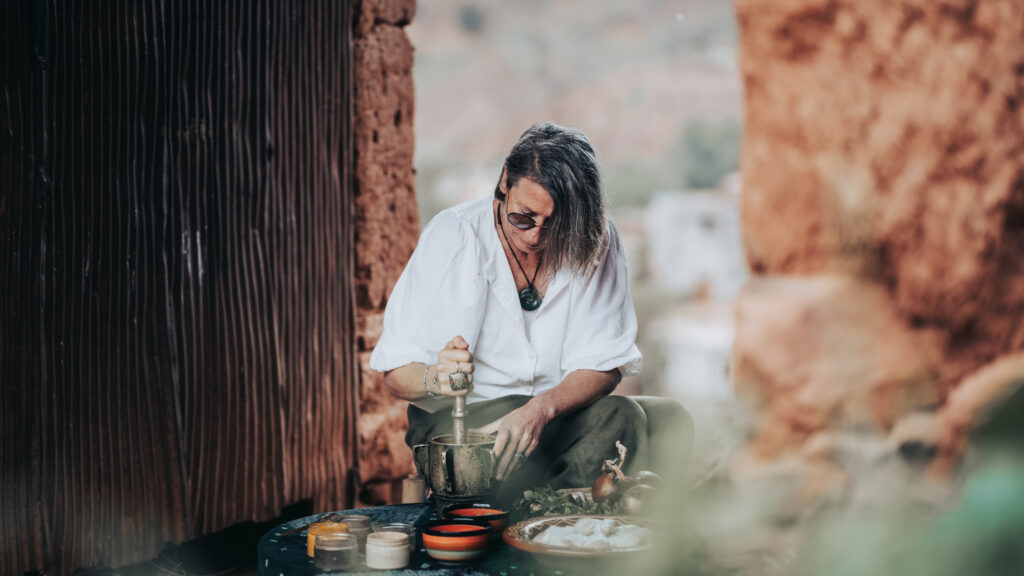
(Pictured: Amanda)
*https://www.moroccoworldnews.com/2026/07/331298/morocco-welcomes-9-4-million-tourists-in-first-half-of-2026/
Deep Street curates immersive, small-group journeys that explore how people live, eat, and connect across the world. Our experiences blend food, culture, and storytelling, designed for travellers who want to go deeper than sightseeing and taste a way of life. Each journey is crafted with care, from the hidden corners we explore to the meals we share, offering layers of discovery and moments of genuine surprise along the way.
Behind every itinerary is thoughtful design and careful attention to detail. We consider everything from the people we meet to the places we stay and the rhythms of each day so that every experience feels intuitive, seamless, and deeply connected to the land and culture.
About Amanda:
The creative force behind Ourika Organic Kitchen, Amanda is a nutritionist, chef, and organic farmer whose life is defined by the soil and the stove. Hailing from New Zealand, she has spent over two decades becoming part of Morocco’s fabric, aligning her work with the natural rhythms of the seasons and the deep-rooted traditions of her adopted home.
With three decades of culinary expertise, Amanda’s craft is a tapestry of ancestral knowledge and international exploration. Her approach is anchored in her Māori heritage and shaped by travels from Asia to the Mediterranean, all beautifully integrated into the heartfelt culinary customs of Morocco.
An ardent supporter of sustainable practices, Amanda cultivates the very ingredients she serves, treating the earth with the same care as her kitchen creations. She is driven by the conviction that wholesome food possesses healing properties and that there is a quiet, transformative power in reconnecting with the land and sharing a meal with others.
Website: www.deepstreetjourneys.com
