

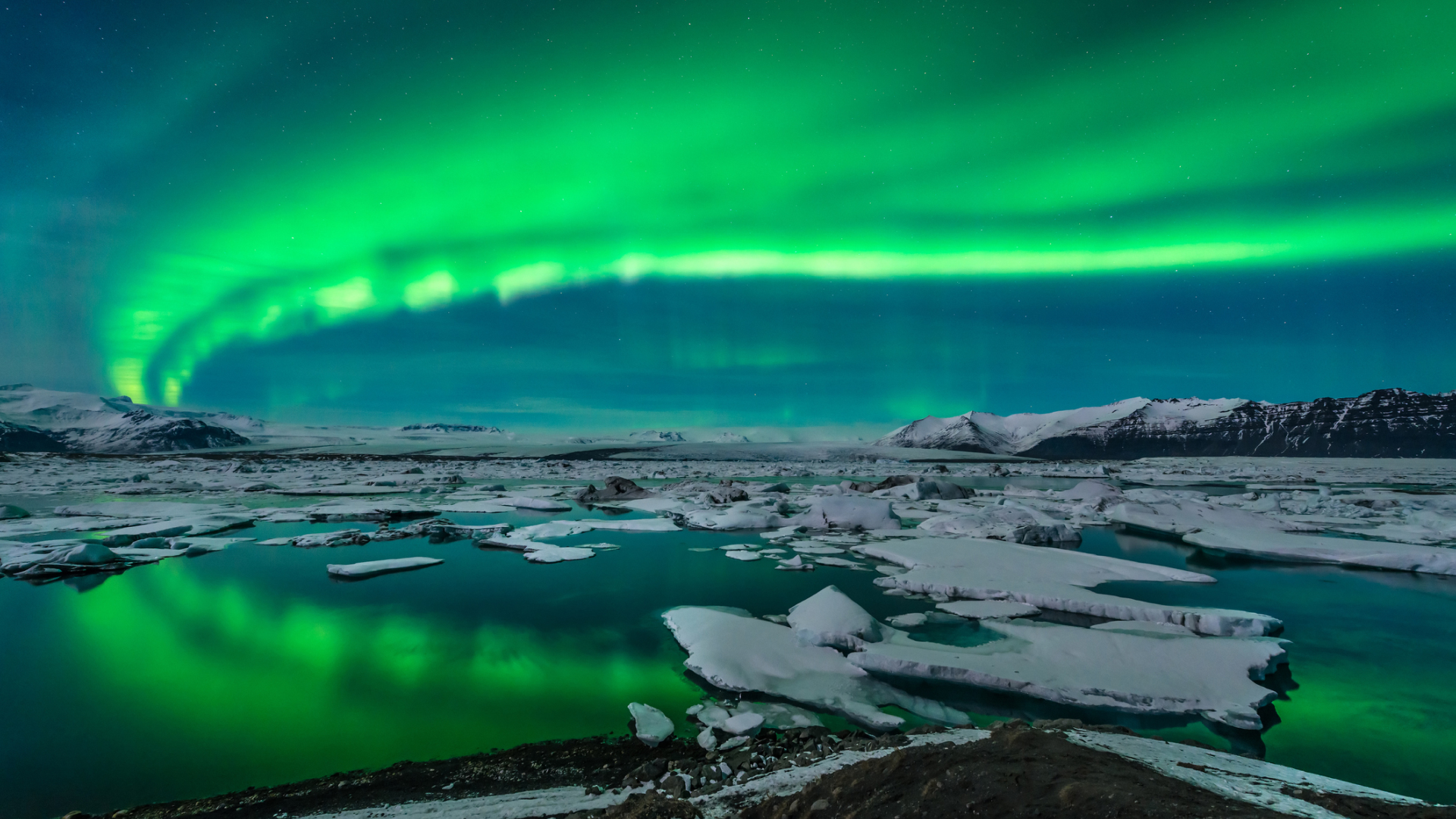
Ilulissat, Greenland, has been named the world’s top destination for viewing the Northern Lights, according to a new study by Saily. The aurora chaser index evaluated popular destinations across the Arctic on factors including sky darkness, cloud cover, and accommodation costs, placing the remote Greenlandic town above more frequented locations in Iceland, Canada, and Scandinavia.
The findings come as the Sun remains highly active following the peak of its 11-year cycle, making this winter an excellent time for aurora viewing. Iceland claimed four of the top five spots, but first place went to Ilulissat, a coastal town on Greenland’s west coast known for its iceberg-filled fjord.
“While Iceland is a fantastic choice, the data shows that Ilulissat offers a superior combination of dark skies and aurora activity,” said Matas Cenys, Head of product at Saily. “Its dry arctic climate means more cloud-free nights, and the backdrop of the UNESCO-listed ice fjord is striking.”
The top 10 list of the best places to catch the aurora
The aurora zone is a ring shaped region where the auroras – Northern and Southern lights – appear. It circles Earth’s geomagnetic poles, typically sitting around 65°-75° magnetic latitude. Solar winds are guided toward these geomagnetic poles, and when the winds collide with gases in the upper atmosphere, they create glowing lights dancing in the sky
Saily’s researchers analyzed popular locations in the aurora zone to determine which have the best viewing conditions to enjoy the Northern lights. They took into account the visibility (proximity of the nearest dark sky spot, light pollution levels, cloudiness), friendliness of the environment (average temperature, precipitation, length of daytime) and affordability (average hotel prices a night) to determine the next best destination for aurora borealis travel.
1. Ilulissat, Greenland
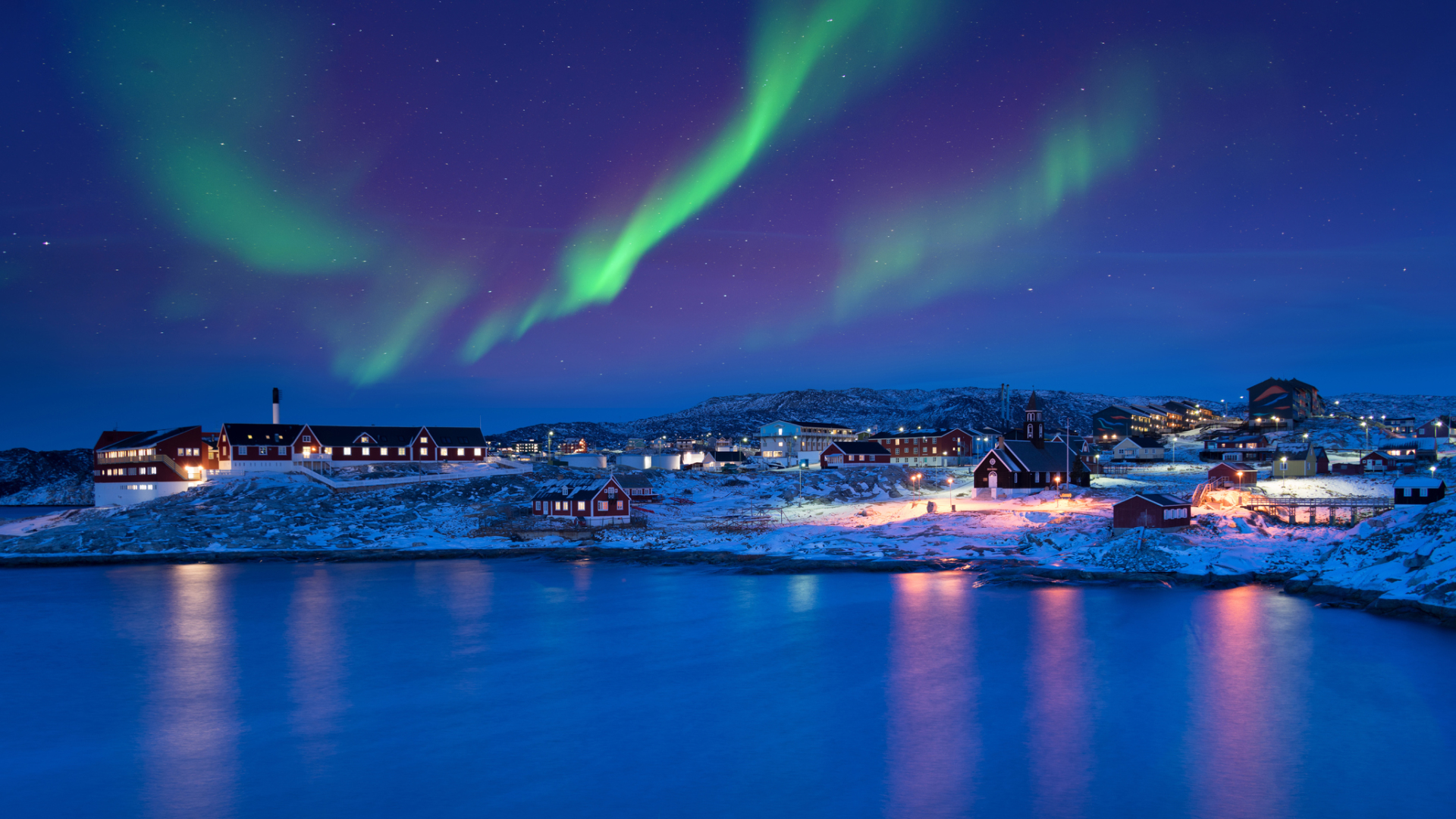
The top spot goes not to Scandinavia or Iceland, but to this remote town on Greenland’s west coast. Ilulissat sits deep within the aurora zone at a high magnetic latitude, the data shows that Ilulissat offers an exceptional combination of dark skies and minimal light pollution. Its dry Arctic climate delivers reliably clear winter skies, while the UNESCO-listed Ilulissat Icefjord-with its procession of massive, ancient icebergs-provides a foreground unmatched in drama. Best viewing runs from September to April on dark, moonless nights, away from town lights.
2. Thingvellir National Park, Iceland
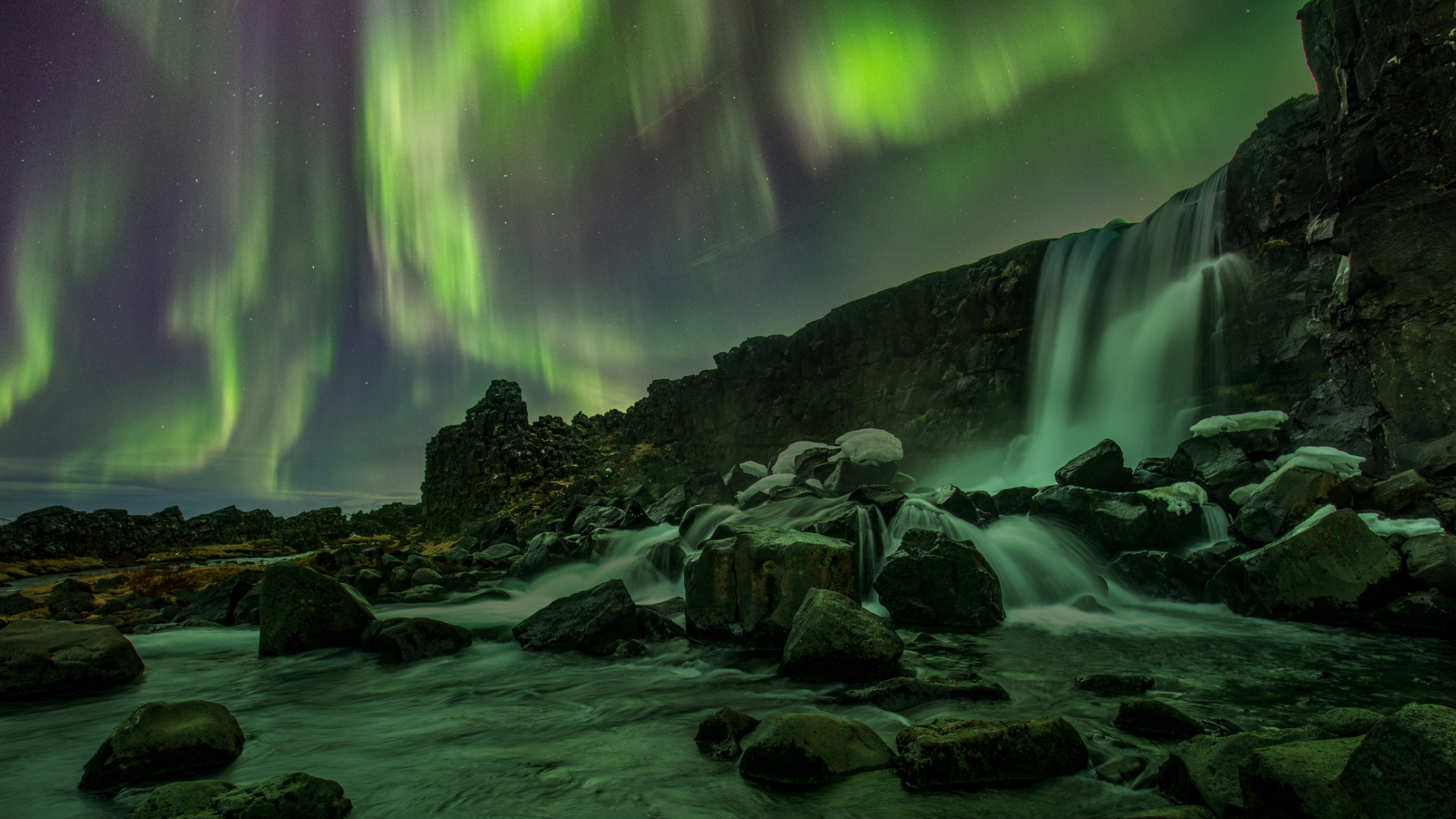
Iceland dominates the upper tier of the index, and Thingvellir leads the way. Located about 45 minutes from Reykjavík, the national park offers dark skies and wide-open landscapes, including lake reflections ideal for photography. Its inland position can mean clearer conditions than coastal areas during Atlantic storms. Best viewing: clear winter nights from September through March with minimal moonlight.
3. Hvolsvöllur, Iceland
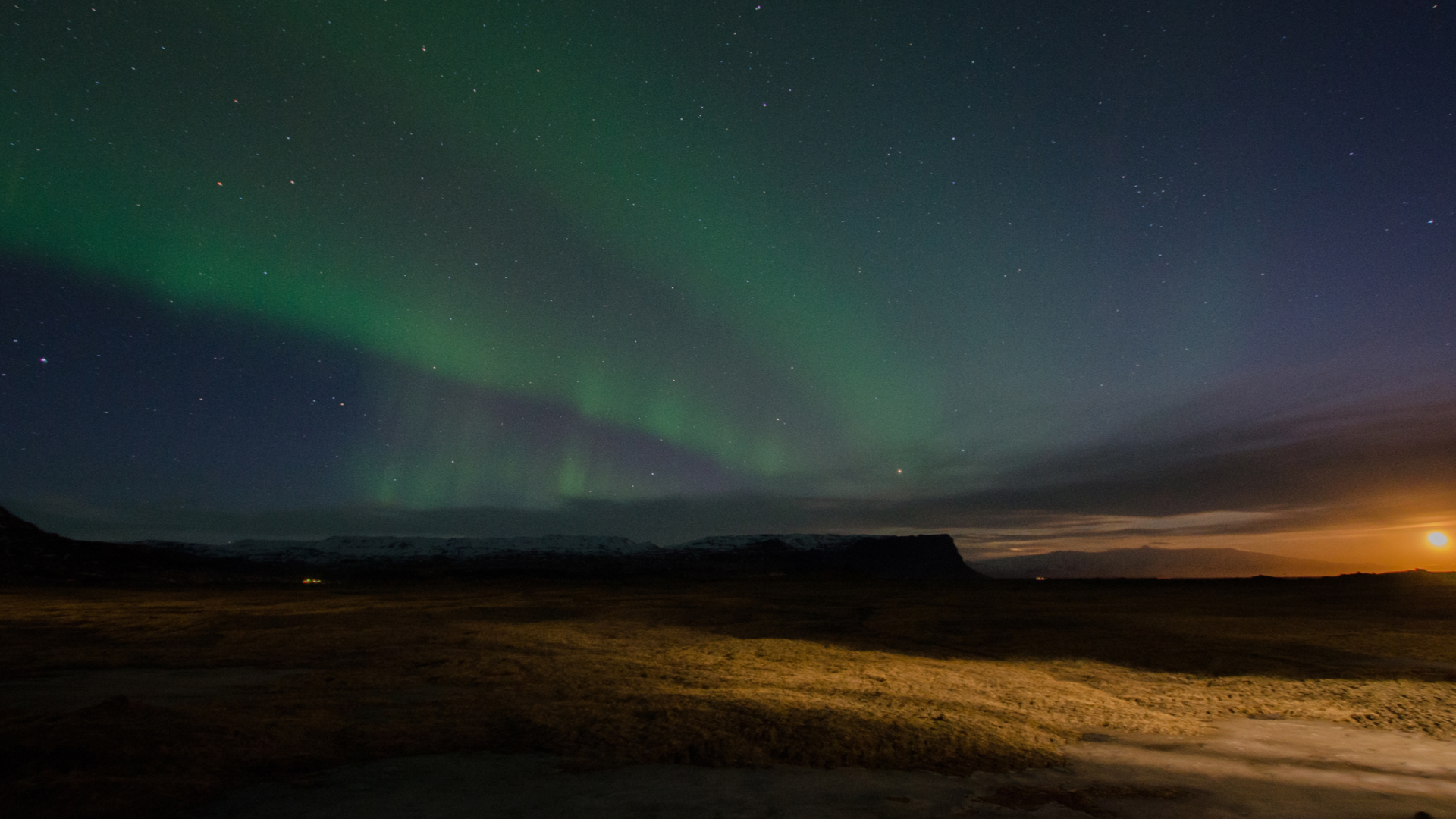
This small town in South Iceland provides a quieter alternative to the capital, with significantly less light pollution and quick access to open countryside. Flat terrain offers expansive horizons – an advantage when auroras appear low in the sky. Best conditions occur on cold, clear nights from September through March, particularly following a geomagnetic storm alert.
4. Vik, Iceland
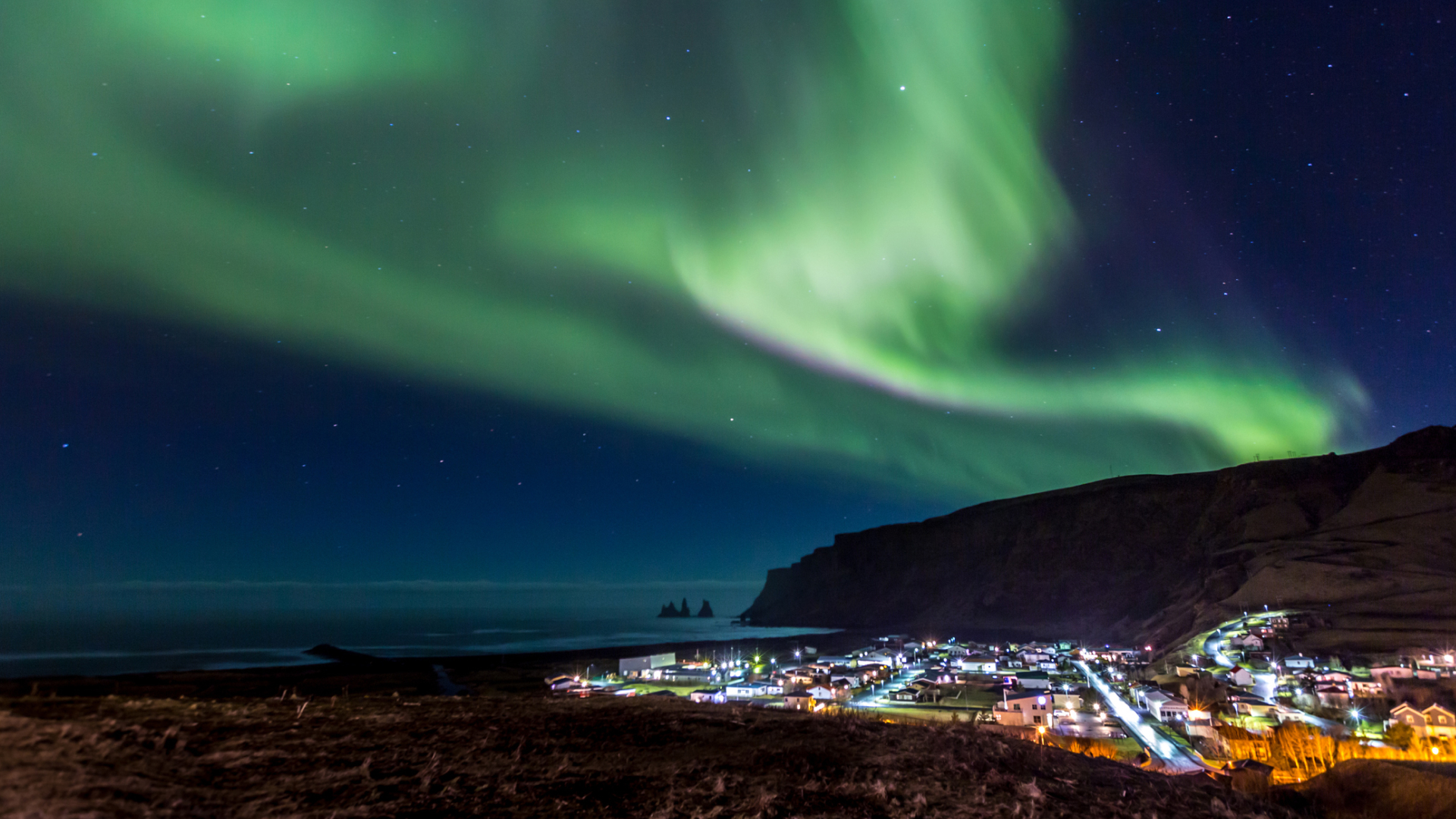
Vik’s dramatic coastal setting – black sand beaches, basalt sea stacks, crashing Atlantic waves – makes for some of the most striking aurora photography in the world. The tradeoff: its exposed southern location brings frequent cloud cover and strong winds. When skies are clear, the open ocean horizon provides unobstructed views to the north. Best conditions are calm, cloudless winter nights during high solar activity.
5. Jökulsárlón Glacier Lagoon, Iceland
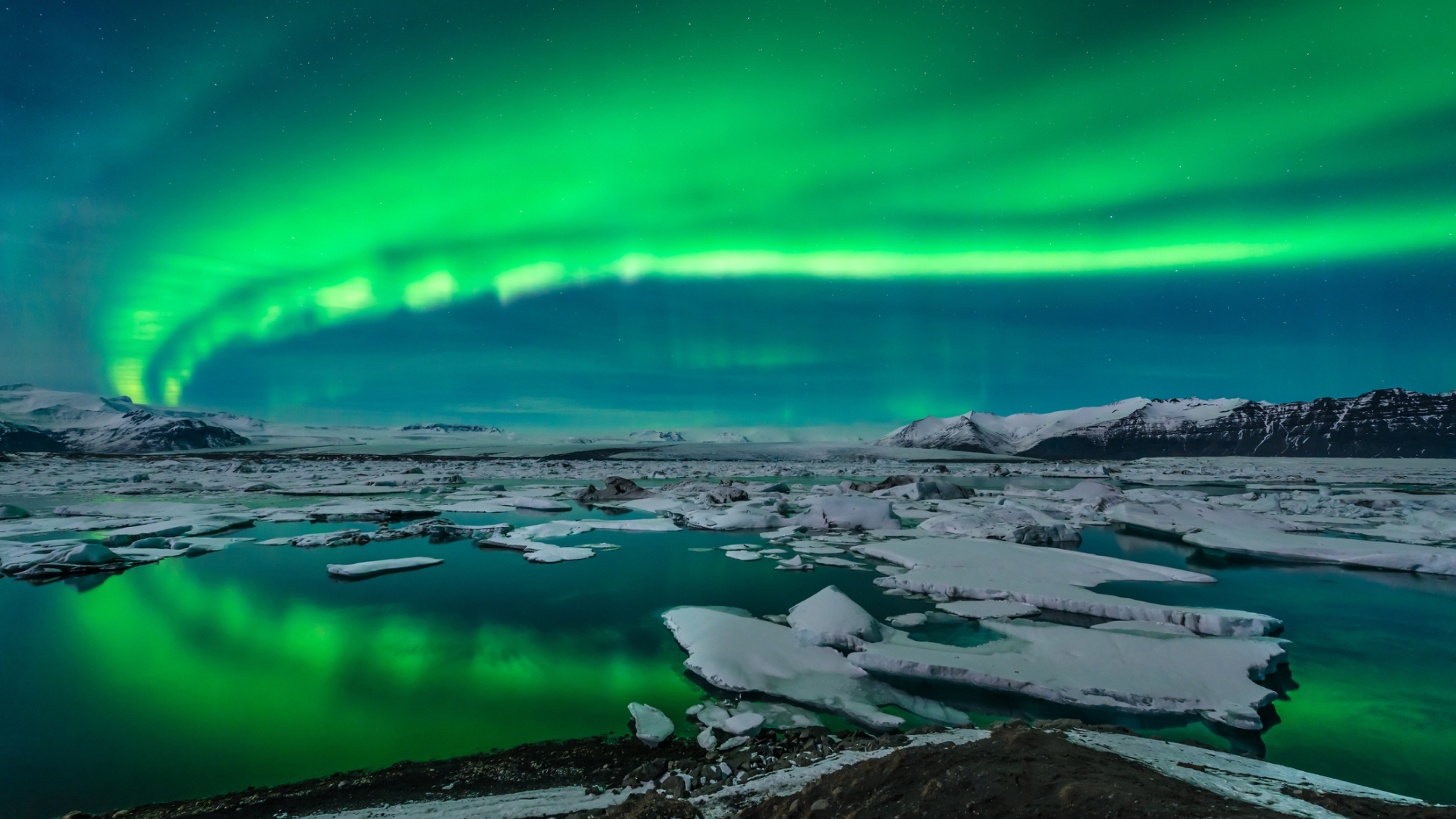
Perhaps Iceland’s most iconic aurora location, Jökulsárlón offers the surreal spectacle of green light reflecting off floating icebergs. Its remote setting ensures extremely low light pollution, and the adjacent Diamond Beach – where ice chunks wash ashore on black sand – expands the photographic possibilities. Best viewing: clear nights between September and March during moderate to strong geomagnetic activity.
The other half of the top 10 is dominated by Canada and Norway. Sixth place goes to the small town of Churchill in Canada, followed by Whitehorse (seventh place), also in Canada. In eighth place is Andøya in Norway. Here, travelers enjoy an overall milder climate with slightly higher temperatures than in other locations.
Lofoten Islands (Norway) are in the ninth place. The research revealed that these islands offer the most affordable accommodation of all the destinations in the dataset.
The list finished with Kakslauttanen (Finland).
|
Rank
|
Destination
|
Index Score
|
Key Features
|
|
1
|
Ilulissat, Greenland
|
61.61
|
Extremely dark skies (Bortle 2), very low cloudiness (29%), dry Arctic climate (-25°C avg. temp.), UNESCO icefjord
|
|
2
|
Thingvellir National Park, Iceland
|
59.83
|
Very dark skies (Bortle 3.9), low cloudiness (23%), accessible from Reykjavík, good for reflections
|
|
3
|
Hvolsvöllur, Iceland
|
57.99
|
Low light pollution (Bortle 2.7), flat terrain, wide horizons, average hotel price $123
|
|
4
|
Vik, Iceland
|
57.52
|
Black sand beaches, dramatic coastal setting, low light pollution (Bortle 3.2), average hotel price $230.5
|
|
5
|
Jökulsárlón Glacier Lagoon, Iceland
|
56.23
|
Exceptionally dark skies (Bortle 2.2), remote, icebergs, good photography opportunities
|
|
6
|
Churchill, Manitoba, Canada
|
55.24
|
Very dark skies (Bortle 2.6), low cloudiness (21%), polar bear viewing, very cold (-28°C avg. temp.)
|
|
7
|
Whitehorse, Yukon, Canada
|
54.31
|
Extremely dark skies (Bortle 1), rugged wilderness, relatively dry climate, average hotel price $180
|
|
8
|
Andøya, Norway
|
54.22
|
Very low light pollution (Bortle 3.8), milder temperatures (-2°C avg. temp.), scenic island setting
|
|
9
|
Lofoten Islands, Norway
|
53.24
|
Most affordable hotel prices ($61 avg.), dramatic mountain scenery, low light pollution (Bortle 5.2)
|
|
10
|
Kakslauttanen, Finland
|
52.01
|
Very dark skies (Bortle 4.4), glass igloo viewing, heated comfort, average hotel price $671
|
Methodology
This research uses secondary quantitative data to identify the best destinations for viewing the Northern Lights. Information was collected from official tourism websites, meteorological and space science agencies, travel guides, and travel platforms.
26 destinations were selected based on geographic location and latitude, as these factors influence aurora visibility. All variables were standardized using z-scores and then rescaled to a 0-100 index for easier comparison.
Index factors and weights:
- Proximity to dark sky: 25%
- Light pollution (Bortle scale): 25%
- Cloudiness: 15%
- Average hotel prices: 15%
- Daylight hours: 10%
- Average temperature: 5%
- Precipitation: 5%
ABOUT SAILY
Saily is an affordable and user-friendly eSIM app with unique security features that helps people to manage mobile and internet connections from anywhere in the world. Saily offers 24/7 instant customer support, flexible plans, and coverage in 200+ destinations. Saily was created by the experts behind NordVPN – the advanced security and privacy app. For more information visit saily.com.
